The importance of social participation for Parkinson’s treatment
Source citation:
Kim, M. Y., Baum, C. M., Connor, L. T., Chang, C.-H., & Foster, E. R. (2025). Social factors related to participation among people with Parkinson’s disease. Disability and Rehabilitation, 47(17), 4399–4404.
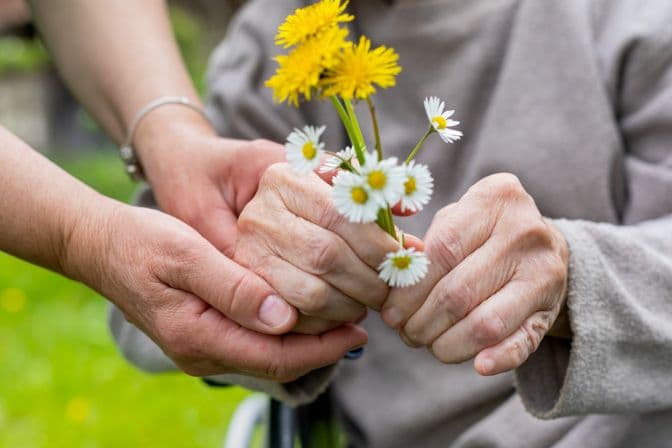
For people with Parkinson’s disease (PD), participation in the activities of daily living, from shopping and laundry to sports and socializing, can become limited, affecting the quality of their lives. Qualitative studies have looked beyond PD patients’ physical impairments to focus on the social factors involved in such participation, but authors Kim et al. conducted one of the first quantitative investigations. They specifically looked at the effects of social isolation and social resources on participation. To do so, they reused restricted baseline data from a longitudinal study of people with PD and their care partners, called Emergence and Evolution of Social Self-management of Parkinson’s Disease, Greater Boston Metropolitan Area, 5 States, 2013-2019. They used a final analytic sample of 86 adults with PD, whose average age was 65. They found that social resources were powerful predictors of the study participants’ daily activity levels, even when accounting for physical symptoms and depression. Strong support from family and friends was the primary driver for “high-demand” leisure activities like sports, while access to neighborhood and community resources predicted higher levels of social and overall engagement. The authors accessed the restricted data used in this journal article via the ICPSR Member Archive. See the study home page for more publications that use these data.
January 15, 2026