Mandatory gun purchase waiting periods lower suicide rates, but proximity to states without such laws matters
Source citation:
Arnold, G. E., & Priestley, M. B. (2025). Do gun‐purchase waiting periods save lives? Health Economics, 34(8), 1461–1473.
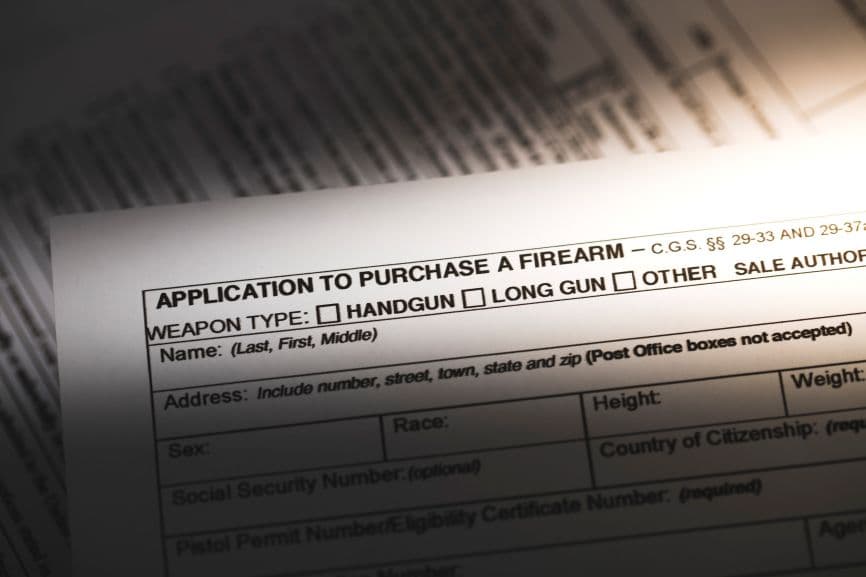
The key finding of this paper is that mandatory waiting periods for gun purchases reduce gun-related suicides by about five percent and total suicides by two percent. This is a larger effect than previously known. Waiting periods are deemed helpful because many suicide attempts are impulsive. Mandatory delays provide a “cooling-off” period, giving people time to change their minds. However, authors Arnold and Priestley also found that state waiting period laws had the largest effect in counties that were at least 50 miles from a border with a state that did not have mandatory waiting periods, as guns remained more easily accessible at shorter distances. Their findings suggest that a national or at least regional waiting period policy would work more effectively to reduce suicide rates, as the number of counties adjacent to non-waiting period states would be reduced. Their analysis was based on county-level mortality data from the CDC, for the years 1991-2019. They controlled for impacts on suicide rates using county-by-year demographic data, and they used the State Firearm Law Database: State Firearm Laws, 1991-2019, accessed via NACJD, which catalogs the presence or absence of 134 firearm safety laws in 14 categories. The database allowed Arnold and Priestley to control for other state firearm policies impacting suicide rates. See the study home page for more publications that make use of the Firearm Law Database.
January 8, 2026