Article in ‘The Conversation’ Examines Risks to CDC Public Health Data
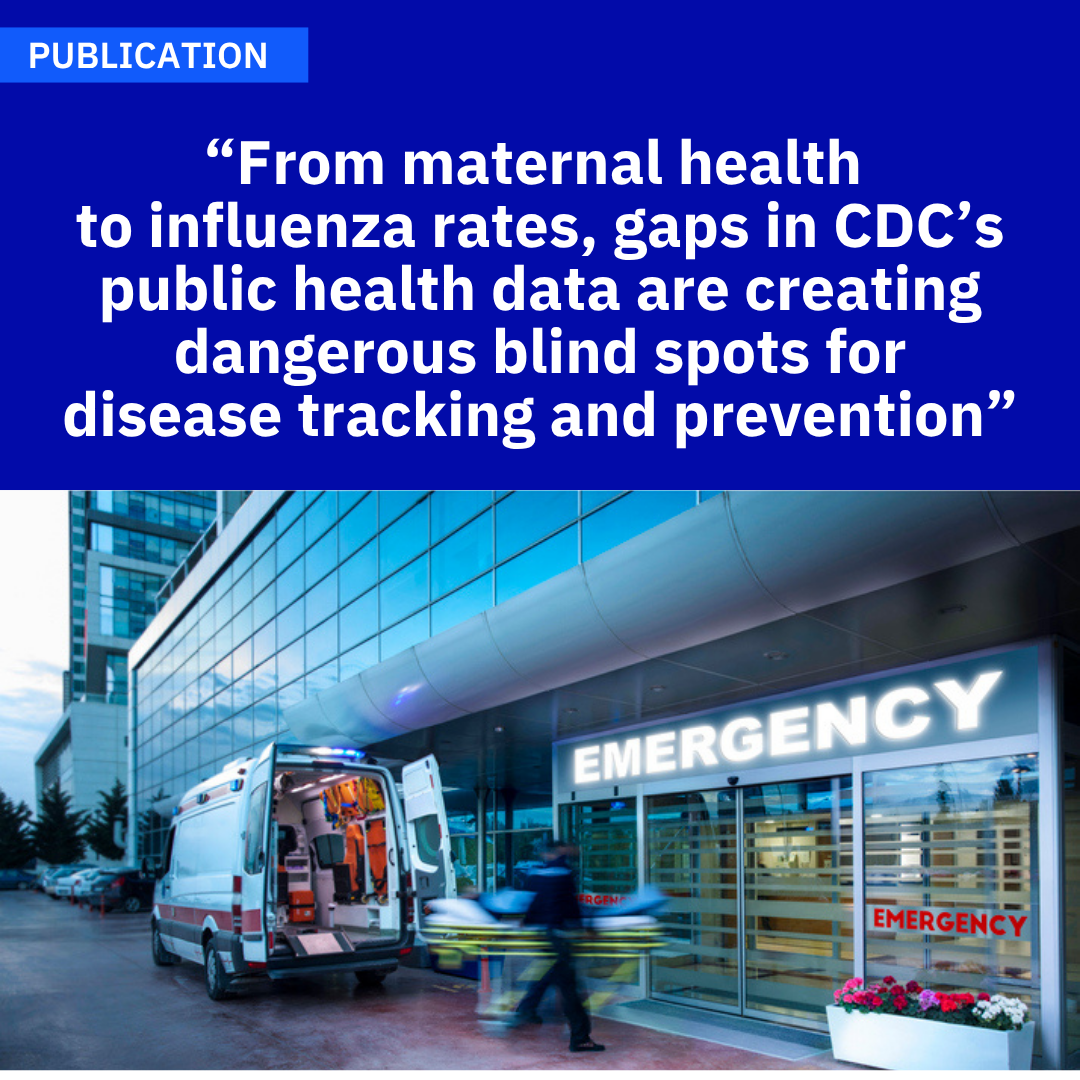
A recently published article by ICPSR’s John Kubale examines how gaps in CDC public health data are creating dangerous blind spots for disease tracking and prevention.
Kubale, a research assistant professor at the University of Michigan’s Institute for Social Research, explains how public health decisions depend on timely, high-quality data — from monitoring flu vaccine effectiveness and respiratory illness trends to tracking maternal health, HIV, diabetes and other critical health indicators. He describes how removals of federal webpages and datasets, interruptions in CDC data updates, and staffing cuts affecting data access and management have made some public health data harder to use or, in some cases, effectively inaccessible.
Kubale also highlights the broader consequences of these disruptions, including weakened disease surveillance, reduced ability for researchers and health departments to direct resources effectively, and erosion of trust between federal agencies, local health partners and the public.
Read the full article in The Conversation: “From maternal health to influenza rates, gaps in CDC’s public health data are creating dangerous blind spots for disease tracking and prevention.”