Wearable tech sheds light on seniors' screen time and sleep quality
October 4, 2024
Source citation: Leger, K. A., Kim, Y. K., Zhang, S., Gao, S., & Fingerman, K. L. (2024). Daily electronic media use and sleep in late life. Journals of Gerontology, Series B: Psychological Sciences and Social Sciences, 79(8), gbae095.
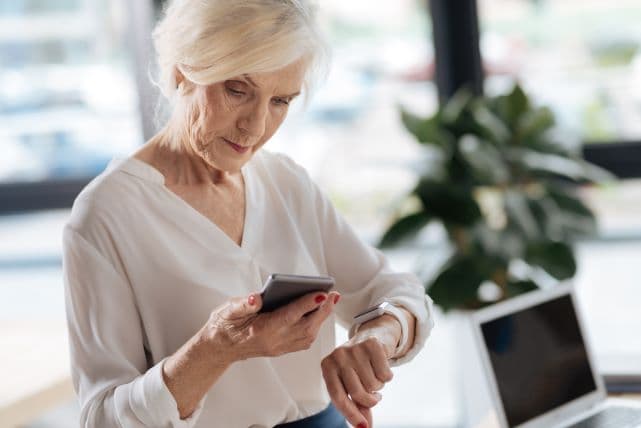
Authors Leger et al. took advantage of the intensive data collection methods they used in a study they shared via NACDA: the Daily Experiences and Well-being in Late Life (DEWS), Austin, Texas, 2016-2017, to get a more complete picture of the relationships between electronic media use and sleep in older adults. The 333 DEWS participants, all 65 or older, completed a baseline interview, and the majority of them agreed to wear electronically activated recorders capturing their daily speech and environmental sounds, while they wore accelerometers on the wrists, which continuously monitored their physical activity. Most participants also used smartphones to report multiple times daily, for 5 to 6 days, their social interactions, mood, activities, and sleep experiences. Leger et al. analyzed the self-reported and accelerometer data, and they found that increased computer use was associated with less sleep and more sleep disturbances. Having a regular sleep schedule somewhat mitigated the negative impact of TV viewing on sleep, although napping behavior lessened that effect.