Understanding health care utilization by elderly Puerto Rican islanders
March 17, 2023
Source citation: Barba, C., Downer, B., Clay, O. J., Kennedy, R., Ballard, E. et al. (2023) Healthcare utilization among pre-frail and frail Puerto Ricans. PLOS ONE 18(1): e0280128.
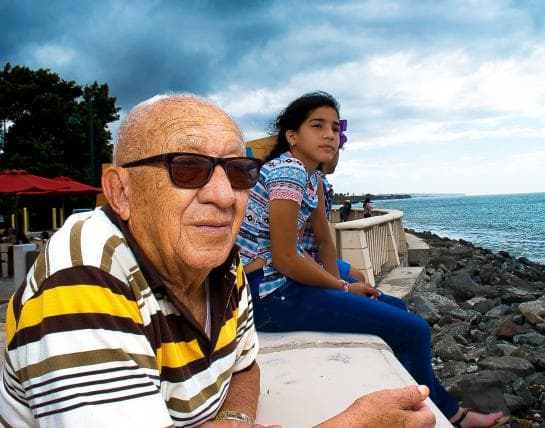
According to authors Barba et al., their paper contributes to a growing literature about how different Latino populations are often overlooked or grouped together despite differences in their health characteristics and healthcare utilization. Specifically, these researchers examine frailty, “a syndrome that encompasses declines in multiple bodily systems and results in decreased physical functioning,” as it affects elderly Puerto Rican islanders. They cite research showing that Puerto Ricans experience more chronic conditions and disability than other Latino populations, putting them at a greater risk of becoming frail. On the US mainland, aging Puerto Ricans are much more likely than Mexican Americans and Central American/Caribbeans to utilize the healthcare system. However, Barba et al. note, “The unique experience of Puerto Ricans on the island should be considered in the context of debilitating health conditions and the effect on healthcare utilization.” Barba et al. are among the first researchers to examine the association of frailty in Puerto Rican islanders and their use of health care. The authors analyze longitudinal data from the Puerto Rican Elderly: Health Conditions (PREHCO) Project, 2002-2003, 2006-2007 (ICPSR 34596), which they accessed via Data Sharing for Demographic Research (DSDR).
The PREHCO study was an island-wide, longitudinal survey of people aged 60 and over, collected in two waves: 2002-2003 and 2006-2007. It investigated issues affecting the elderly population in Puerto Rico, including health status, housing arrangements, functional status, labor history, migration, income, childhood characteristics, health insurance, use of health services, marital history, mistreatment, sexuality, psychosocial information, and it included a cognitive screener. Interviews at both time points were conducted in Spanish. Barba et al. measured health care utilization; pre-frailty and frailty (using criteria of shrinking, weakness, poor energy, slowness, and low physical activity); cognitive functioning; diabetes; and several covariates including Medicaid, Medicare, and other insurance coverage. Their findings show that pre-frailty and frailty are associated with increased rates of ER visits, hospital stays, and doctor visits within the last year, which may cause additional burdens on the already pressured healthcare infrastructure on the island. But pre-frailty and frailty were not associated with increased healthcare use longitudinally, suggesting that further research is needed to examine factors like the role of caregivers, as well as access to care.