Uncovering the long-term mortality risk from hurricanes and tropical storms
October 11, 2024
Young, R., & Hsiang, S. (2024). Mortality caused by tropical cyclones in the United States. Nature.
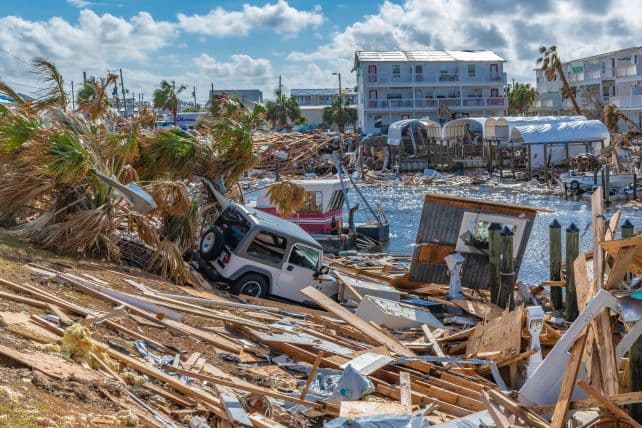
These authors are the first to assess at a population level, the number of US deaths that can be traced back to tropical cyclones (hurricanes and tropical storms), even if those deaths happened much later. Authors Young and Hsiang tracked the effects of 501 tropical cyclones in the US from 1930 to 2015. They also looked at the number of deaths of various populations in each state before and after each storm. To normalize state mortality data, they in part used the pre-1968 population estimates contained in the ICPSR study, Historical, Demographic, Economic, and Social Data: The United States, 1790-2002. They found that due to long-term economic and public health effects, including stress, that go beyond the storms’ immediate devastation, people are dying earlier than they would have if a storm had not hit their community. Young and Hsiang estimated that the average hurricane creates 7,000 to 11,000 excess deaths in the 15 years after the event, far more than the direct deaths that government statistics reflect (an average of only 24). The authors also found that tropical cyclones are a significant factor in determining overall health risks in US Atlantic coastal areas, where mortality rates are higher. Since people there endure frequent tropical cyclones, those storms can explain 3.2 to 5.1 percent of deaths in that area since 1930. This hidden, indirect mortality risk is especially great for infants, people aged 1-44, and Black populations.