Study finds Indigenous Americans experience higher traffic stop rates than other racial groups
July 12, 2024
Source citation: Campagna, L. M., & Zaykowski, H. (2024). More than just routine: Examining the disproportionate impact of police stops among Indigenous Americans. Journal of Ethnicity in Criminal Justice, 22(2), 89–110.
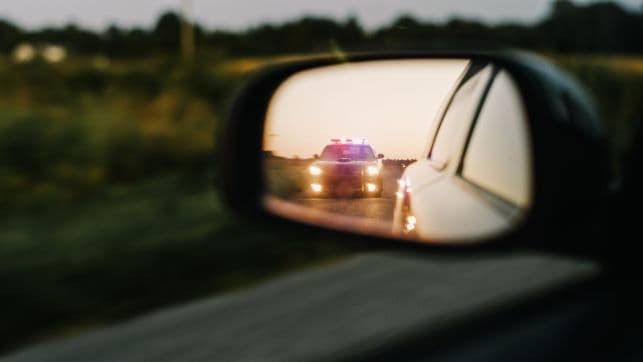
Despite the fact that Indigenous Americans are disproportionately represented in the criminal justice system, little research exists about their contact with police and whether they perceive it to be legitimate. In this article, authors Campagna and Zaykowski specifically examined the experiences of Indigenous Americans with police traffic stops, using data from the 2005, 2008, 2011, and 2015 Police Public Contact Survey (PPCS). Distributed by NACJD, these surveys periodically supplement the annual National Crime Victimization Surveys, and they provide detailed information on the nature and characteristics of face-to-face contacts between police and the public, including the reason for and outcome of the contact and the respondent’s satisfaction with the contact. The authors analyzed a large PPCS sample of over 240,000 respondents, including 2,236 who identified as American Indian or Alaska Native. They found that Indigenous Americans were about 40 percent more likely to be stopped by police compared to White Americans, and also had higher odds of being stopped compared to Black, Hispanic, and Asian Americans. Indigenous Americans were less likely than White Americans to perceive traffic stops as legitimate, even after accounting for factors like the outcome of the stop and characteristics of the officer. While people living in rural areas were generally more likely to view stops as legitimate, the opposite was true for Indigenous Americans living there.