Nine years of data collected from the same Bolivian villagers enable tracking of small changes in well-being and inequality
March 22, 2024
Source citation: Godoy, R., Bauchet, J., Behrman, J. R., Huanca, T., Leonard, W. R., Reyes-García, V., Rosinger, A., Tanner, S., Undurraga, E. A., & Zycherman, A. (2024). Changes in adult well-being and economic inequalities: An exploratory observational longitudinal study (2002–2010) of micro-level trends among Tsimane’, a small-scale rural society of Indigenous People in the Bolivian Amazon. World Development, 176, 106518.
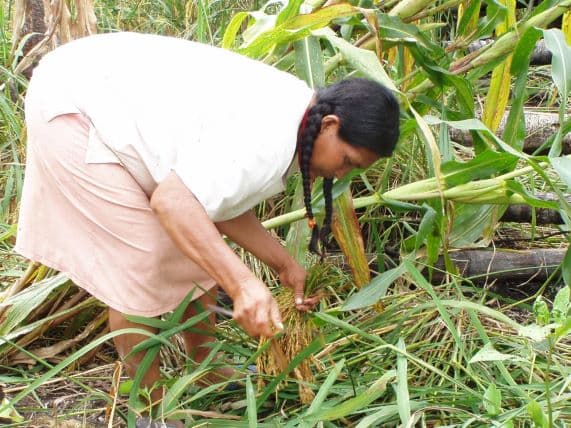
Godoy et al. are researchers who study the Tsimane’ people, a relatively isolated, horticultural-foraging indigenous community located along the Maniqui River in Beni, Bolivia, in order to explore trends in their well-being and in economic inequalities. The study of contemporary rural societies like these remains mostly the domain of biocultural anthropology, where longitudinal quantitative studies are scarce. Hence, the significance of the Tsimane’ Amazonian Panel Study (TAPS), El Beni, Bolivia, 2002-2010 (ICPSR 37671), for which Godoy was a principal investigator. TAPS resulted in nine consecutive years of panel data on the socioeconomic status and health conditions of the Tsimane’ people in 240 households from 13 villages. The authors’ analysis of 21 indicators, including income, social interactions, and macronutrient consumption, revealed micro-level changes over time among the Tsimane’, showing a rise in overall asset wealth and a shift from traditional to commercial assets. While the monetary value of consumed food and perceived health improved, caloric and protein intake declined. The panel study also helped inform the development of a randomized controlled trial, Inequality, Social Capital, and Health in Bolivia, 2008-2009 (ICPSR 38898). Click here to read more publications using TAPS data.