National Corrections Reporting Program data help show impact of SNAP work requirements on recidivism
Source citation:
Lee, S. (2025). The effects of SNAP work requirement on recidivism. Social Science Quarterly, 106(7).
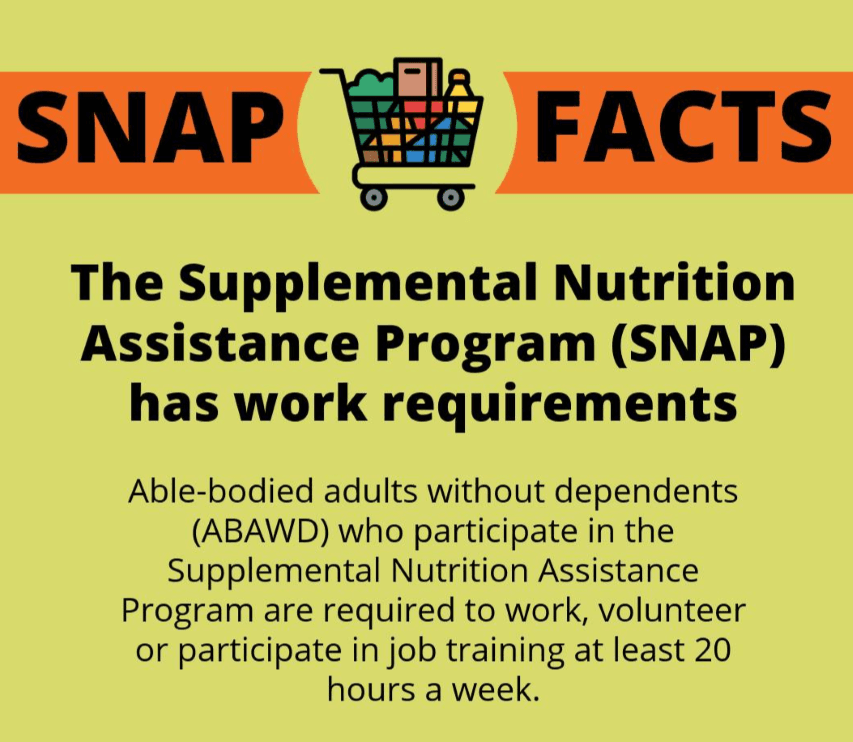
In the US, many states require able-bodied adults without dependents who are recipients of SNAP (food assistance) to meet work requirements. For ex-offenders, who face steep employment hurdles due to criminal records and limited education, conditioning food aid on work can create enough financial instability to drive them to re-offend. In this paper, author Sungjin Lee calculated the effect of the SNAP work requirement on recidivism, using offender-level administrative records data from the National Corrections Reporting Program (NCRP), 2000-2019, distributed by NACJD. With the NCRP data, Lee tracked released individuals’ returns to state prisons over a three-year period, then matched them to specific county-level SNAP work requirement policies, as well as to county-level unemployment rates. With data from 37 states in the analytic sample, Lee found that the cumulative probability of returning to prison over the three years after release was 2.27 percent higher for (non-drug) ex-offenders subject to SNAP work requirements, especially affecting young men. See the NCRP series page for more publications using annual NCRP data.
February 5, 2026