Male Japanese-Americans' responses to internment during World War II positively affected their career earnings later in life
March 19, 2022
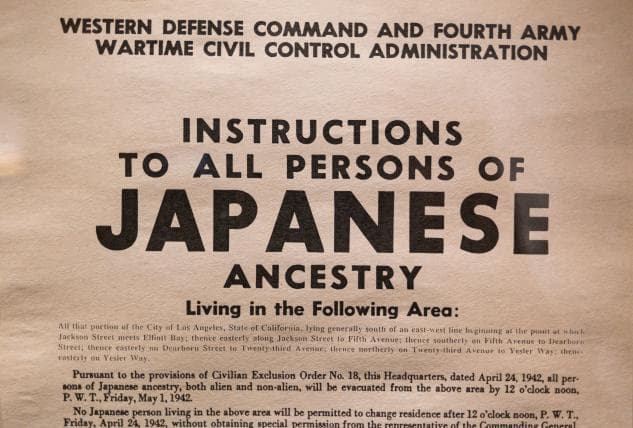
In an article published this month in The Journal of Economic History, author Jaime Arellano-Bover combined three sources of data to study Japanese-American men who were forcibly interned for one to three years by the United States government during World War II. He specifically investigated how their careers were affected later in life, with surprising results. For information on former internees’ income, race, and place of residence, he used 1940, 1950, and 1960 US Census data. But since Census data do not include internment status, Arellano-Bover combined 1940 Census data with War Relocation Authority records from ten camps that listed everyone who was interned in them. And he used 1960s survey data from the Japanese-American Research Project (JARP): a Three-Generation Study, 1890-1966 (ICPSR 8450), which helped him predict post-internment migration patterns and apply them to the 1950 and 1960 Census data, since the JARP asked respondents to describe their migration history within the United States. Distributed by the National Archive of Computerized Data on Aging (NACDA), the JARP is a sociohistorical study of the ways in which three generations (Issei, Nisei, and Sansei) of Japanese American families adapted to social, cultural, educational, occupational, and other institutions of American life. Ultimately, the results of Arellano-Bover’s analysis indicated that “internment had a long-run positive and large effect on the annual income of internees 5-15 years after leaving the camps, with magnitudes that range from 9 to 22 percent of the counterfactual average income.” Much of the rest of his article investigates possible explanations for this finding, focusing on “mechanisms related to increased mobility due to re-optimization of occupation and location choices, possibly facilitated by camps’ high economic diversity.” For instance, he found that “internees were exposed to higher shares of highly educated and highly skilled workers in the camps than in their previous communities of residence.” After release many migrated to places with occupational options they would or could not otherwise have considered previously. Arellano-Bover notes that his findings “provide some hopeful evidence on the ability of individuals to take the opportunities that a negative shock presents and overcome adversity in the long run.”