Longitudinal study in Nepal shows proximity to war violence in childhood predicts disordered drinking in adulthood
September 6, 2024
Source citation: Bruffaerts, R., Axinn, W. G., Ghimire, D. J., Benjet, C., Chardoul, S., Scott, K. M., Kessler, R. C., Schulz, P., & Smoller, J. W. (2024). Community exposure to armed conflict and subsequent onset of alcohol use disorder. Addiction, 119(2), 248–258.
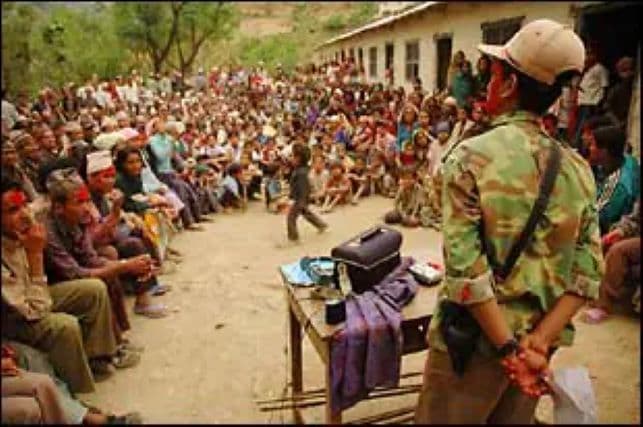
This paper examined how living in a community characterized by violence, in this case in Nepal during its 2000-2006 civil war, affected eventual rates of alcohol use disorder. Authors Bruffaerts et al. are researchers affiliated with the Chitwan Valley Family Study: Changing Social Contexts and Family Formation, Nepal, 1995-2019 (ICPSR 4538), which is distributed by DSDR. The CVFS is an ongoing comprehensive panel study of individuals, households, and communities in the Chitwan Valley of Nepal. The study data include life history calendar information about the onset and extent of participants’ alcohol use. It also contains neighborhood event data, including incidents of violent beatings that took place during the civil war. For this analysis, Bruffaerts et al. used measures of both the timing and location of those beatings as they happened in 151 neighborhoods where nearly 5,000 male study participants lived during the six-year civil war period. By linking the neighborhood violence data to alcohol use disorder development data taken from these participants in 2016-2018, they found that males who were aged 5-14 at the war’s end in 2006, who lived in neighborhoods that experienced beatings, were affected most. They were 66 percent more likely to develop alcohol use disorders, compared to men who were not exposed to this violence as children.