Latino immigrant adaptation during rising government hostility in the Trump era
September 20, 2024
Source citation: Herda, D. (2024). Reactive transnationalism and the ascent of Donald Trump: Evidence from the Latino Immigrant National Election Survey. Global Networks, e12500.
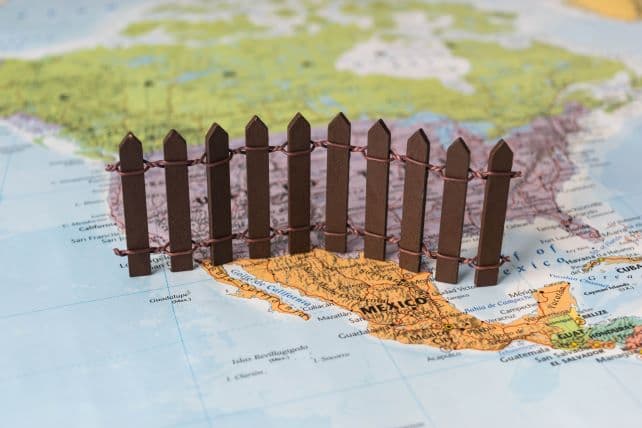
Author Daniel Herda’s secondary analysis of data from the 2016 Latino Immigrant National Election Study (LINES) reveals how Latino immigrants in the US responded to the increasingly hostile political climate during Donald Trump’s rise to power in 2016-2017. LINES surveyed a large, representative sample of Latino immigrants in three key time points: the 2016 presidential campaign, between Trump’s election and inauguration, and during his early presidency. This allowed Herda to measure changes in respondents’ engagement with their origin countries, as well as any discrimination they personally faced. Herda’s findings confirmed previous research that immigrants who experience discrimination on an individual level are more likely to strengthen ties with their home countries, a phenomenon called “reactive transnationalism.” Herda’s original contribution was his examination of government hostility alongside interpersonal hostility as something that can initiate reactive transnationalism. His findings showed that as Trump took office and implemented anti-immigrant policies, there was a significant increase in immigrants sending money home and contacting people in their native countries, while interest in home country politics decreased, perhaps pointing to more pressing worries about how hospitable their host country would remain.