Proximity to the border impacts health of older Mexican Americans
Source citation:
Rojas-Álvarez, A., & Bokun, A. (2025). Do older Mexican Americans with dementia benefit from living closer to the border? Evidence from the HEPESE. Hispanic Journal of Behavioral Sciences, 47(1), 97–118.
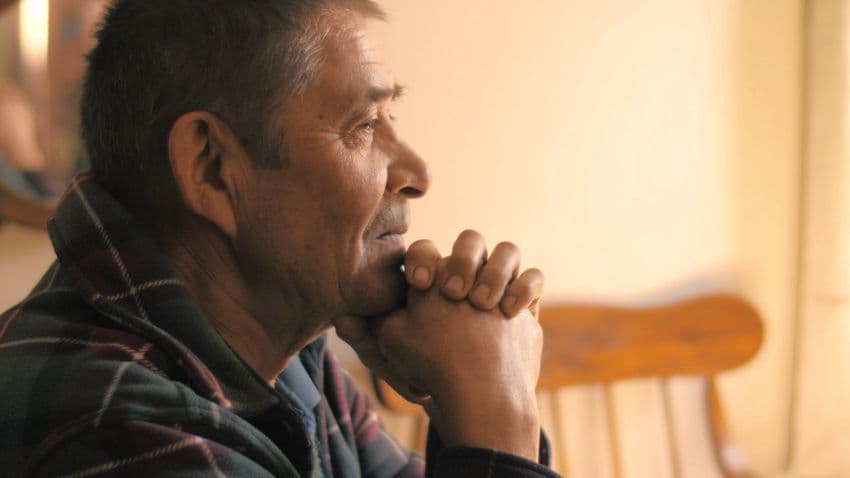
Authors Rojas-Álvarez and Bokun investigated the health and caregiving challenges of the oldest old Mexican American adults living near the US-Mexico border, a traditionally underserved population. They analyzed data from respondents who were 80 or older, from four Southwestern border states, in two waves of the Hispanic Established Population for the Epidemiological Study of the Elderly (Hispanic EPESE) Series. Distributed by NACDA, the main purpose of the Hispanic EPESE, which collects data from residents over age 65 from Arizona, California, Colorado, New Mexico, and Texas, is to provide estimates of the prevalence of key physical and mental health conditions and functional impairments in older Mexican Americans, so they can be compared to other populations. Rojas-Álvarez and Bokun compared data from the Hispanic EPESE to a nationally representative sample of data from the American Community Survey, collected from Hispanic adults in the same age group during roughly the same time span (2011-2022). They found that individuals living closer to the US-Mexico border experienced worse health outcomes and higher assistance needs compared to those living further away from it. Elderly residents in border counties had more difficulty with Activities of Daily Living (ADLs), such as bathing or dressing, lower rates of physical exercise, and higher rates of both likely dementia and diagnosed dementia. They also faced greater financial strain and relied more heavily on caregivers for both emotional and practical support. Based on these findings, the authors stressed the need for policies focused on affordable primary care, benefits counseling, and culturally competent support for families managing dementia in the border regions.
January 29, 2026