Harmonized data from South Africa, Mexico, China, and the US offer insights on the association between marriage and cognition in aging populations
June 02, 2023
Source citation: Jennings, E. A., Farrell, M. T., Liu, Y., & Montana, L. (2022). Associations between cognitive function and marital status in the United States, South Africa, Mexico, and China. SSM – Population Health, 20, 101288.
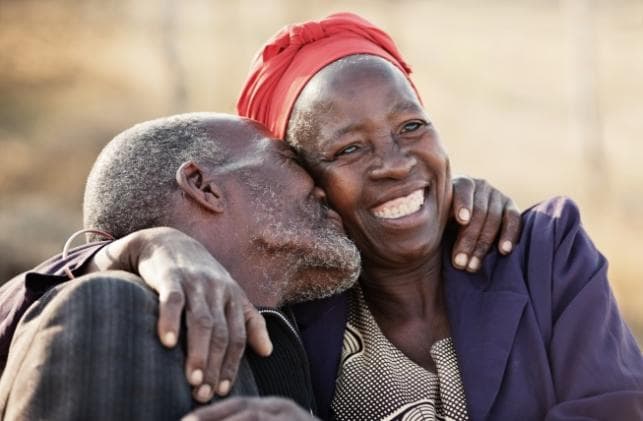
In this article, Jennings et al. cited research indicating that married people tend to have better health than never-married, divorced, or widowed people. But the benefits of marriage may well depend on the social norms and stigma present in a given cultural setting. The authors noted that research on this is lacking, since cross-national comparisons are difficult to make with measures that were not meant to be used together. But Jennings et al. were able to take advantage of harmonized data to investigate how marital status can be associated with cognitive function among aging adults in four different settings–the United States, rural South Africa, Mexico, and China– each representing various “social, marital, cultural, economic, and political contexts.” The harmonized data came from the US Health and Retirement Study (HRS) and three of its sister studies: the Mexican Health & Aging Study (MHAS), the China Health and Retirement Longitudinal Study (CHARLS), and Health and Aging in Africa: A Longitudinal Study of an INDEPTH Community in South Africa (HAALSI).
The National Archive of Computerized Data on Aging (NACDA) distributes the first three waves of HAALSI, which were conducted between 2014 and 2022. An ongoing population-based survey, HAALSI is part of the INDEPTH network of health and demographic surveillance systems in Africa, Asia, and Oceana. The study aims to examine and characterize the health, physical and cognitive function, aging, and well-being of older men and women who make up the majority Black population living in rural Mpumalanga province, South Africa. A sample of 5,059 men and women aged 40 or older completed the first wave of HAALSI, in which extensive survey and biomarker data were collected to assess cognition and dementia; cardiometabolic disease; HIV and treatment; public policies and health, and multimorbidity. For their analysis, Jennings et al. used data from the first HAALSI wave, excluding people under the age of 50, in order to be comparable to the samples from HRS, MHAS, and CHRLS that were also included in their analysis. To look at cognitive function, the authors used a standardized measure present in all four studies: immediate word recall, along with several indicators of marital status. They also controlled for covariates like educational attainment, employment status, number of children, and overall physical and mental health. Given gendered social roles and expectations around marriage, Jennings et al. performed their analysis separately for men and women in each of the four settings. They were able to show variation in cognitive responses to marital experiences, both by setting and by gender, and in each case, the authors provided possible historical and cultural reasons for the differences. One common thread across all four settings was that being widowed or divorced was associated with lower cognitive function (although the associations were sometimes greater for women and sometimes greater for men). Hence people who were previously married may be particularly vulnerable when it comes to their cognitive well-being, due to the loss of cognitive stimulation and engagement.