Evaluating how Black Lives Matter protests influenced police behavior
October 25, 2024
Source citation: Campbell, T. (2024). Black Lives Matter’s effect on police lethal use of force. Journal of Urban Economics, 141, 103587.
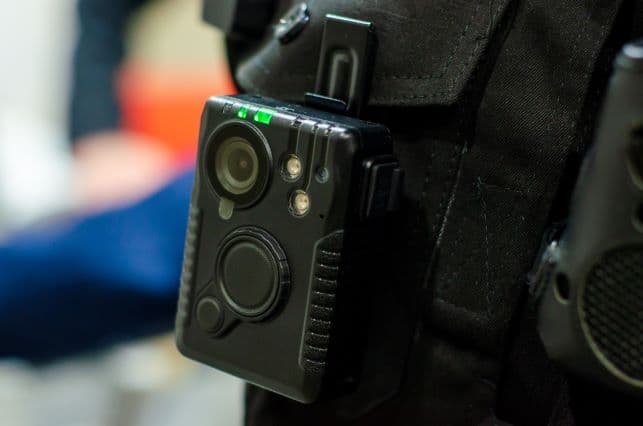
This article analyzed the impact of Black Lives Matter (BLM) protests on US police behavior, particularly regarding lethal force. Author Travis Campbell assessed the “treatment effect” of early BLM protests from 2014-2015 on police actions over the next five years, using various data sources, including two from NACJD. To access multiple police agency characteristics, including use-of-force reporting and deployment of body-worn cameras, Campbell used Law Enforcement Management and Administrative Statistics (LEMAS) 2013, 2016, and the 2016 LEMAS Police Body-Worn Camera Supplement. He also made use of the police agency characteristics that are linked to census places in the study, Law Enforcement Agency Identifiers Crosswalk, United States, 2012. Campbell found that BLM protests led to a 14 percent increase in the share of agencies obtaining body-worn cameras, in order to reduce the use of force and enhance community perception. Cities with early BLM protests experienced a 10 to 15 percent decrease in police killings, preventing about 200 deaths. This decline was most significant in cities with frequent protests, indicating that BLM pressured police departments to alter their practices, such as increasing body camera use and reducing public interactions. However, this reduction in police activity also correlated with fewer property crime arrests and an 11.5 percent reported increase in civilian homicides.