Detroit Area Study shows health impacts of adversity, and resilience to it
January 10, 2025
Source citation: St. John, V. J., & Nemati, D. (2024). Fortifying physical and psychological wellbeing: Leveraging capital for resilience against racism and adversity across racial groups. Journal of Racial and Ethnic Health Disparities.
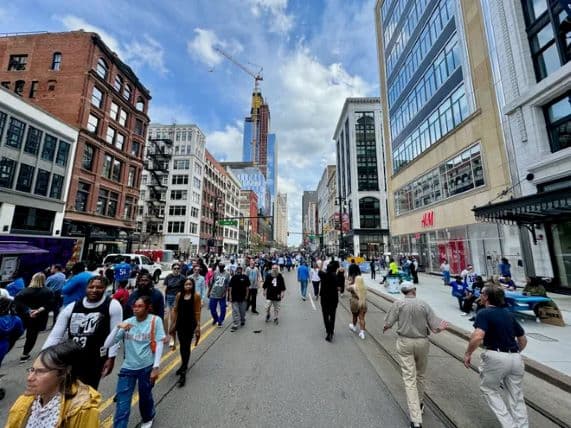
Authors St. John and Nemati reused personal interview data from the demographically diverse sample of people who participated in the Detroit Area Study (DAS) 1995: Social Influence on Health: Stress, Racism, and Health Protective Resources (ICPSR 3272). In their analysis, they wanted to explore how challenges like racism, loss, and negative police interactions affect health, including sleep, depression, and serious illness. They also looked at how economic, social, and spiritual forms of capital influenced respondents’ capacity to cope, across racial groups. The authors noted, “Data from the DAS remains one of the most comprehensive collections of its kind, providing valuable insights into the socio-economic and racial dynamics within the Detroit metropolitan area during this period–providing several key variables necessary to answer [our questions].” They found that DAS respondents’ experiences of racism and negative police encounters were linked to higher depression and serious illness, with Black individuals facing greater health impacts from such encounters. For White respondents, liquid assets were associated with buffering depressive symptoms. For both groups, economic and educational resources generally helped reduce adversity effects, while social and spiritual supports showed mixed results. See more publications that used the 1995 DAS, and many more that used data from the other studies in the DAS series.