Database of school shooting incidents helps researchers identify warning signs
May 27, 2022
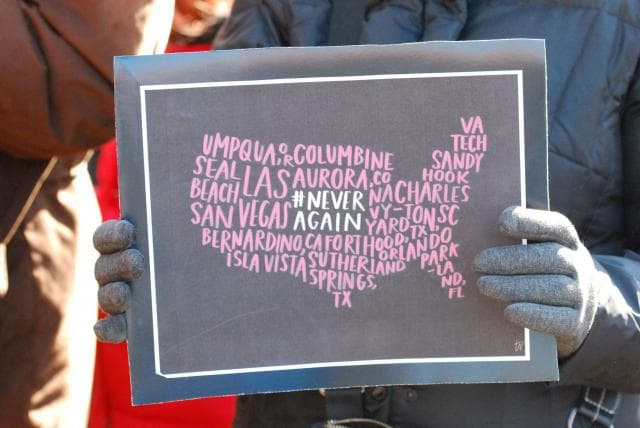
In an article in the May 1 issue of Crime & Delinquency, authors Abel et al. conduct case studies of 20 adolescent perpetrators of school shootings, examining behaviors preceding the shootings that may have been able to predict the violence. They looked at the behaviors’ mode (online or not), timing, and the responses of the recipients of the warnings. Further, they compared differences associated with whether the shooting was fatal, and whether the shooter was high risk. Abel et al. drew their sample from a unique database of US school shooting incidents occurring on K-12 school grounds in the United States between 1990-2016, where at least one person was injured. Created by the article authors, as well as other researchers, the database is known as The American School Shooting Study (TASSS), and it identifies incidents of 652 school shootings. Of those, the researchers archived data from 354 of the incidents in a study released late last year by the National Archive of Criminal Justice Data called, Understanding the Causes of School Violence Using Open Source Data, United States, 1990-2016 (ICPSR 37935). Gathered from newspaper and scholarly databases, official records, and other sources, the information contained in the study describes characteristics of the school shootings, including perpetrator motivations, whether they were a student at the school, some information on their home life and family history, and gang affiliation. There is also victim data, such as the number and severity of injuries, number of fatalities, and whether the victims were students or teachers. Each school is characterized, including the type, and what violence prevention strategies were in place. And there is information on media coverage and police involvement in the aftermath of each shooting. The 20 case studies conducted by Abel et al. evaluated a mix of low- and high-risk, intentional offenders from incidents that took place after 1999 (in order to include online warning behavior). One of their more compelling findings was that “the authorities and school officials had clear opportunities to intervene before most of the school shootings occurred,” with 16 of the 20 school shooters making their intentions clear prior to the attack.”